SERVICING BRANDS
Blog
Share This:
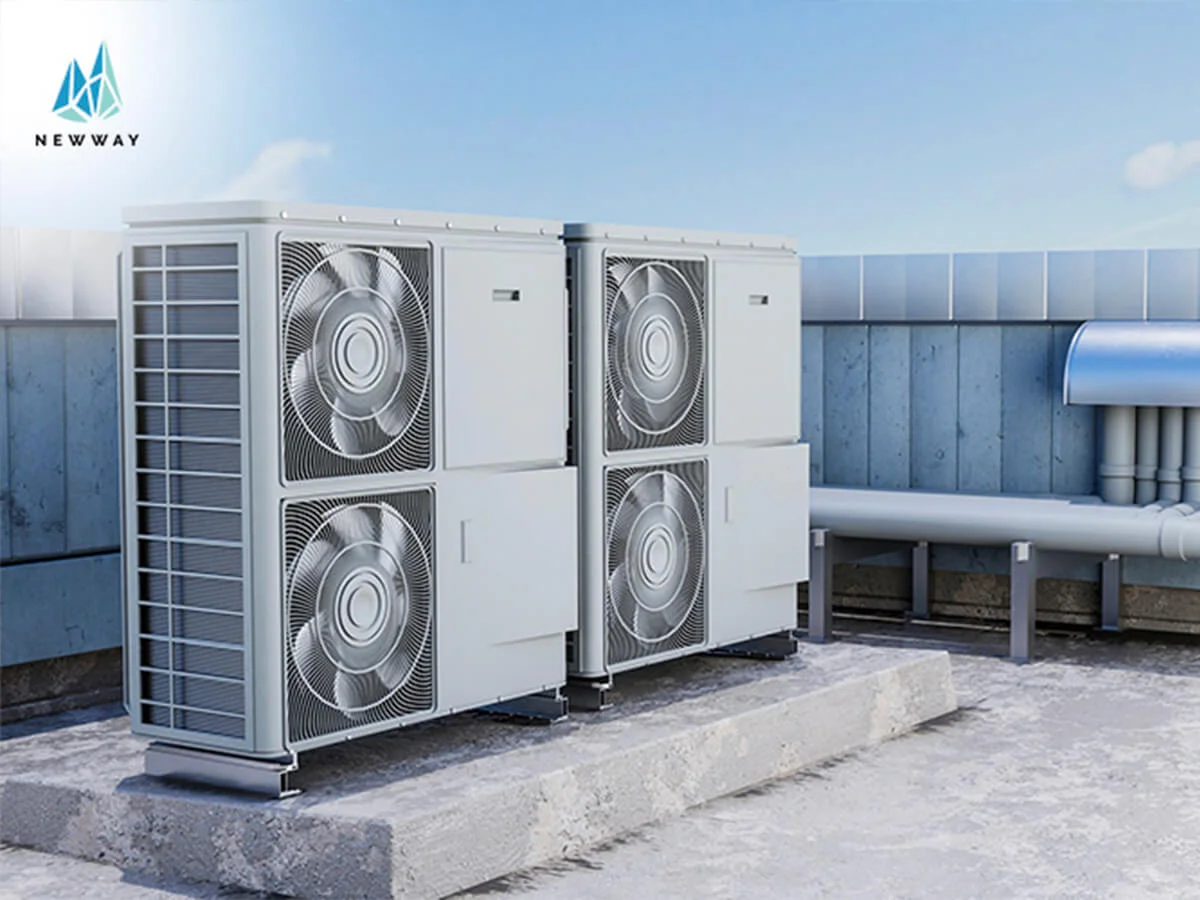
As technology advances, so do our cooling options. When it comes to cooling your space, a VRF air conditioning system stands out as an energy-efficient solution. This system dynamically modulates refrigerant flow to provide more precise temperature control, making itself highly adaptable to varying cooling and heating needs. If you’re looking for a smarter way to cool your home or office, here’s everything you need to know about VRF air conditioning systems.
Unlike conventional air conditioning systems that use chilled water, VRF air conditioning technology relies on refrigerant flow to regulate temperature. This makes it more efficient, as refrigerant can be directed to specific areas in the building, depending on the cooling or heating demand. By adjusting the refrigerant flow to each indoor unit, VRF systems ensure that energy is used only where it’s needed. This, in turn, enhances cooling performance and reduces energy costs.
A major advantage of VRF systems is their ability to connect multiple indoor units to a single outdoor unit. This setup offers flexible installation options and enables better space management. Each indoor unit operates independently, giving you full control over the temperature in each room or zone. Whether in a large office or a multi-bedroom home, the ability to customise each unit’s temperature makes these systems well-suited for buildings with diverse cooling needs.

Certain VRF air conditioning systems feature heat recovery capability. This means that while some indoor units may be cooling a room, others can be heating a different space simultaneously. This functionality improves energy efficiency by utilising waste heat. It’s particularly useful in buildings with different heating and cooling requirements, like hotels, offices, or homes with multiple zones.
Another innovative aspect of VRF systems is the use of smart inverter compressors. These compressors control the refrigerant flow based on real-time demand, reducing energy consumption. Compared to traditional compressors that run at a fixed speed, inverter technology allows for smooth adjustments in cooling and heating output. As a result, users enjoy more consistent temperatures and lower energy bills. This level of control ensures that your space stays comfortable without unnecessarily taxing the system.
A VRV air conditioning system refers to Variable Refrigerant Volume, the proprietary name used by Daikin for its VRF technology. In practice, a VRV air conditioning system operates on the same principles as a VRF system, using inverter-driven compressors to regulate refrigerant flow across multiple indoor units.
Many people search for VRV aircon or VRV air conditioning system because VRV branding is widely recognised in Singapore, particularly in commercial specifications, tender documents, and consultant drawings that reference Daikin systems by name. This often leads to the assumption that VRV is a different technology, when it is in fact Daikin’s branded implementation of VRF.
Understanding both terms matters in Singapore’s HVAC context. While VRF is the industry-standard term used across manufacturers, VRV is frequently used in local projects where Daikin equipment is specified. Knowing this distinction helps you interpret quotations accurately, compare systems correctly, and avoid confusion during system selection or installation.
| Aspect | VRF (Variable Refrigerant Flow) | VRV (Variable Refrigerant Volume) |
|---|---|---|
| Meaning | Industry-wide term for variable refrigerant systems | Branded term used by Daikin |
| Technology | Inverter-driven compressors with zoning and load matching | Identical technology and operating principles |
| System Performance | High energy efficiency with precise zoning control | Same efficiency, zoning, and scalability |
| Compatibility | Used across multiple manufacturers | Specific to Daikin product lines |
| Usage | Common in general descriptions and comparisons | Often referenced in specifications, tenders, and drawings |