

Common causes include uneven airflow, partial duct blockage, insulation gaps, or individual unit performance differences within a multi-split system.
SERVICING BRANDS
Blog
Share This:
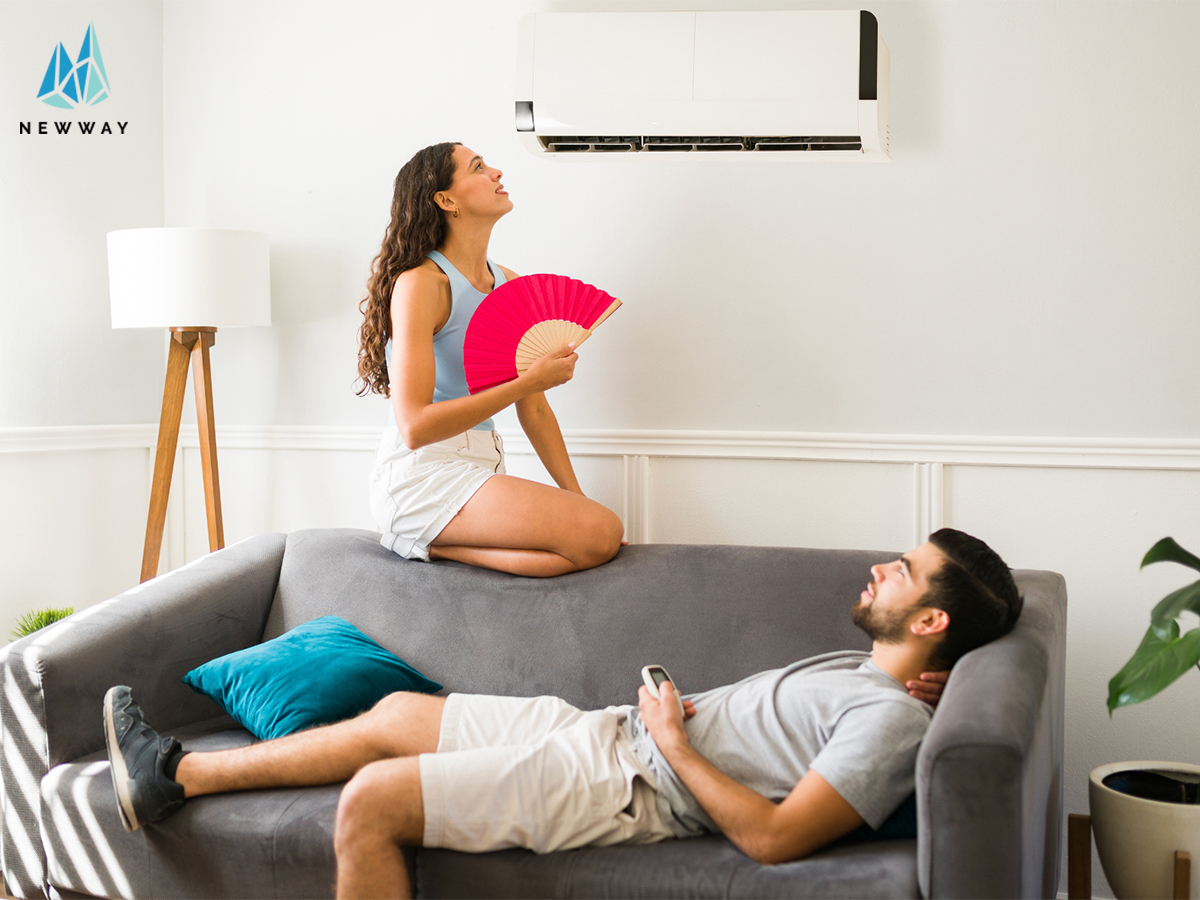
Does Singapore‘s hot and humid climate leave you feeling sticky and uncomfortable? You are not alone. Thankfully, we can rely on a well-functioning air conditioning system to keep us cool. However, as time passes, these systems might start showing signs of wear and tear. If your aircon is not cold or you’re experiencing other issues, don’t worry! This article will guide you through identifying the root causes of issues for prompt rectification. Check out some useful tips here for troubleshooting your aircon.
Saying your aircon is not cold can mean different things depending on your expectations and environment. Not all cooling issues point to a hardware failure—some are related to how the system is used, room conditions, or even perception.
Before assuming it’s a major fault, it’s best to determine what exactly feels “not cold” to you. Some possibilities include:
By being specific about the symptoms, you’ll get closer to the root of the issue. For example, a cooling delay could result from a dirty filter or an underpowered unit—not necessarily a major fault. Similarly, air that’s cool but humid may suggest ventilation or dehumidification issues rather than hardware failure.
If your aircon is not cold, but everything seems to be functioning normally, the issue may not lie with the hardware. Environmental factors, room design, or even settings on your remote control can influence how cool your space actually feels. Here are five overlooked scenarios that might be affecting your aircon’s performance.
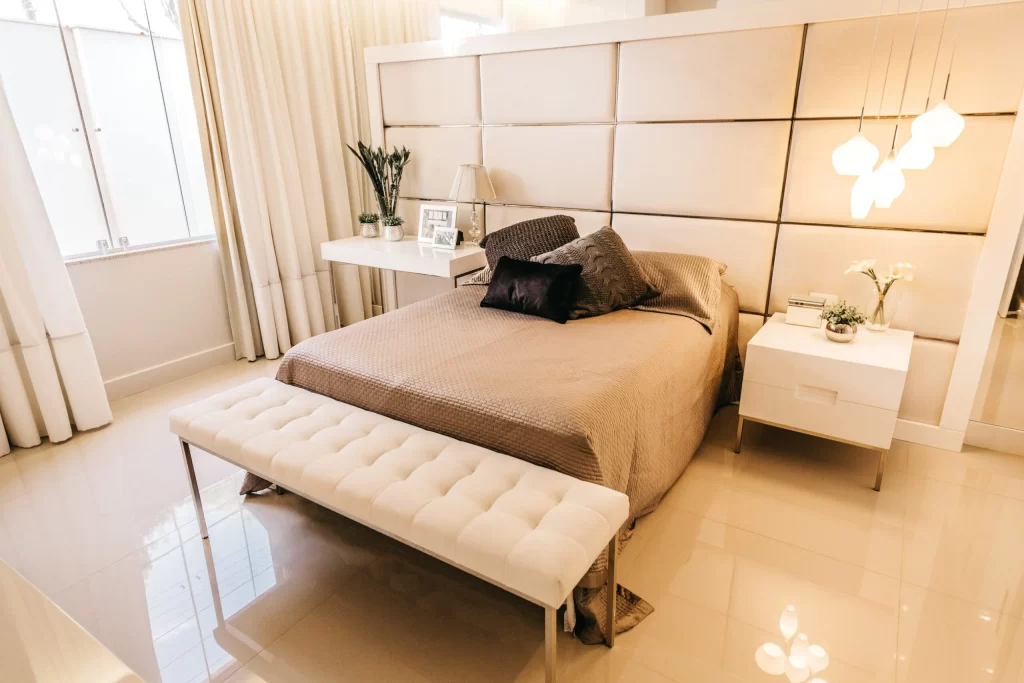
Firstly, your aircon might simply not be powerful enough for the space it’s cooling. Each unit is rated by BTU (British Thermal Units), and if there’s a mismatch, it will struggle to maintain the desired temperature.
This is particularly common in:
If your aircon is not cold despite running at full power, it may be time to upgrade to a unit with higher BTU output or install additional units for even cooling.
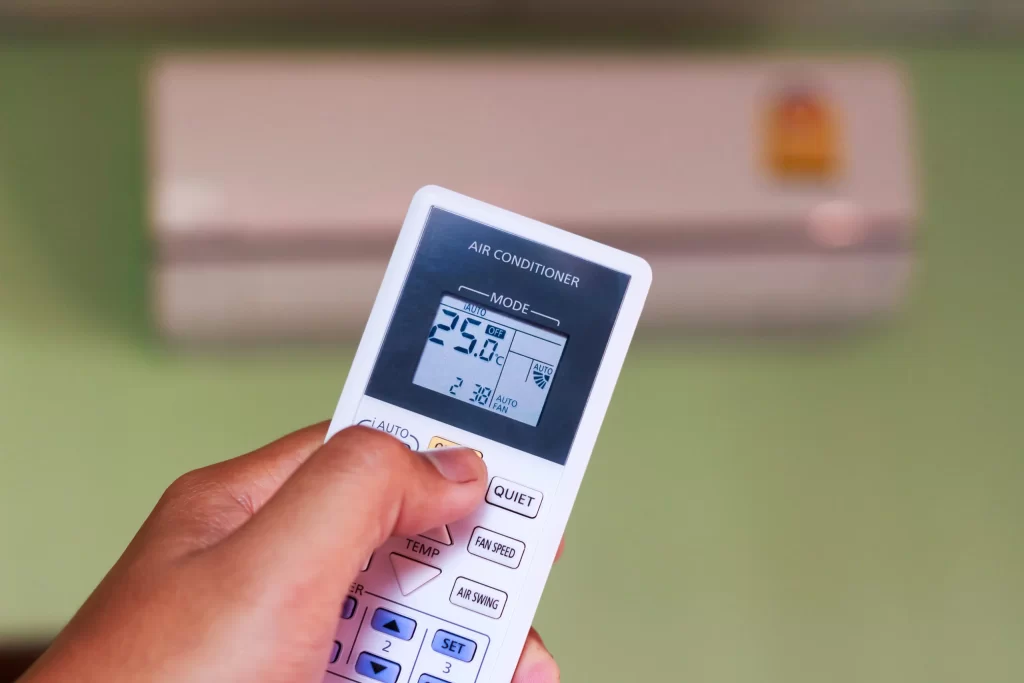
Sometimes, the issue isn’t the aircon itself—it’s how the thermostat is placed or which mode is active.
Check for the following:
Always ensure your settings are appropriate for the time of day and climate conditions.
Sometimes, your aircon is technically cooling, but the room still feels wet, muggy, or uncomfortable. This is usually due to excess humidity, especially in enclosed or poorly ventilated rooms.
Common signs include:
Try setting your aircon to Dry Mode or use a standalone dehumidifier to improve comfort. Reducing moisture in the air helps your cooling system perform more effectively and makes your space feel fresher.
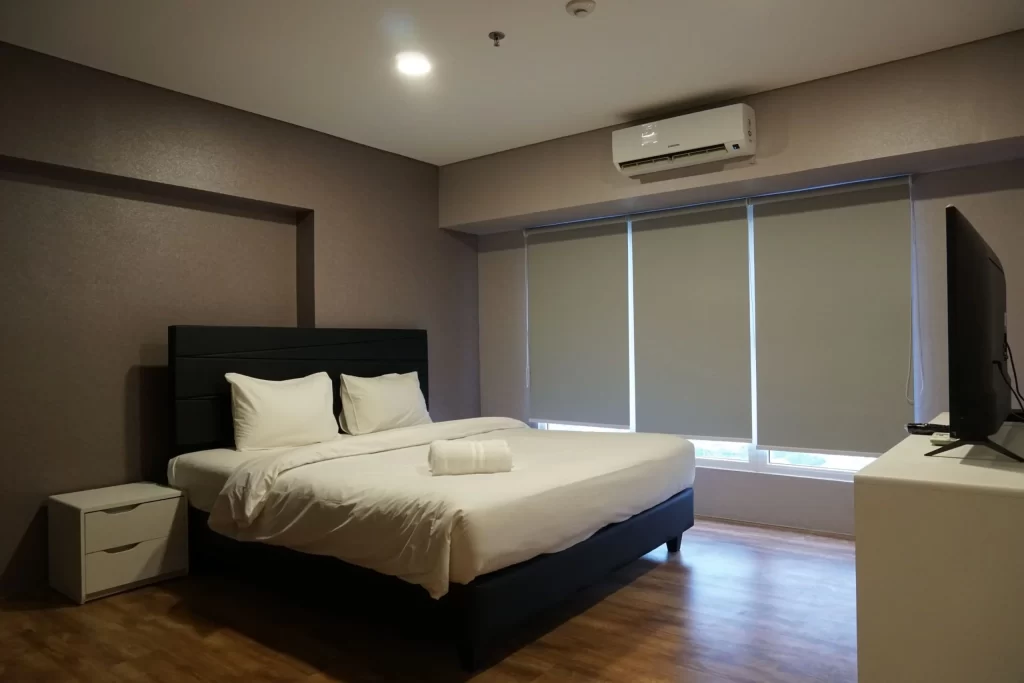
Does your aircon feel cooler during the day but weaker at night? You may not be imagining it. Here are some possible reasons why:
Try manually increasing the fan speed or switching from auto mode to a fixed setting to maintain consistent cooling.
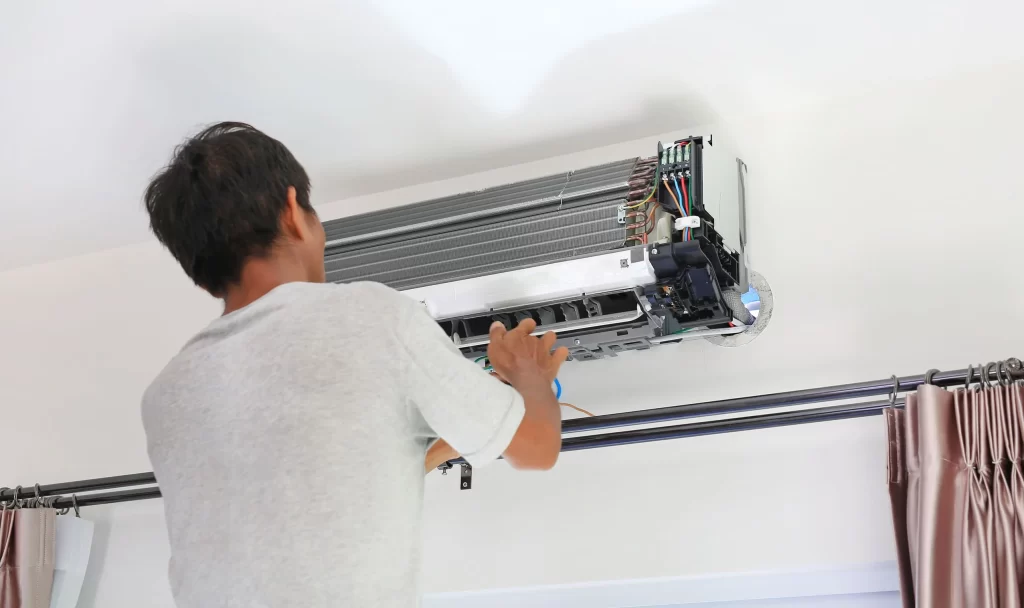
It can be frustrating when your aircon was just serviced, but it still doesn’t feel cold enough. Keep in mind that not all servicing includes deep cleaning or component checks. This might be due to a few reasons:
If the issue persists after servicing, it’s best to request a more thorough inspection or consider a performance check by a qualified technician.
If your air conditioner isn’t cooling as it should, there are a few simple steps that you can take before calling in a professional.

Ensure that your thermostat is in cooling mode and the temperature is set lower than the current room temperature. If the settings seem correct but the issue persists, proceed to the next step.

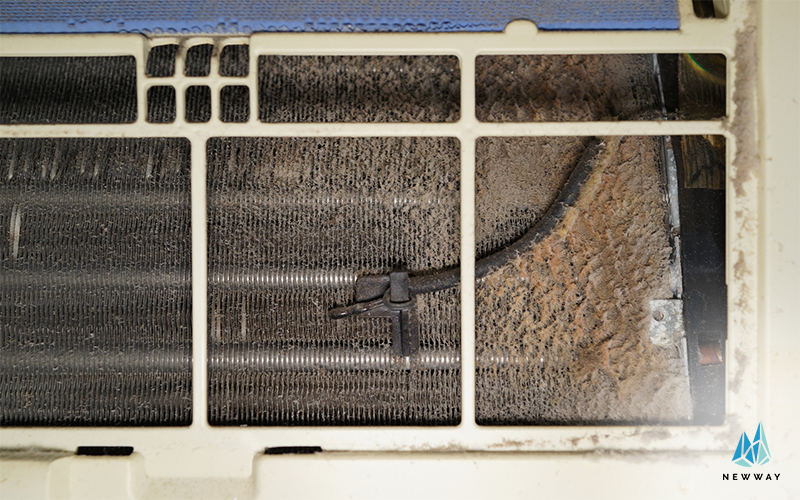
Dirty or clogged air filters are one of the most common reasons for reduced cooling efficiency. Locate and carefully remove the filters to check for dust and debris.
To clean the filters:


If your aircon is still not cold despite basic troubleshooting, it’s time to consult a professional. Calling in a certified technician ensures the problem is addressed safely for the peak efficiency of your air conditioning system.
1. Persistent cooling issues
2. Refrigerant leaks, low levels, or other issues
3. Electrical issues
4. Unusual noises or odours
5. Inefficient cooling performance
Not all cooling problems are the same. Here are four specific scenarios and what they might indicate.
If your aircon still isn’t cooling after a refrigerant refill, it likely has a gas leak. Topping up refrigerant without fixing the leak only provides short-term relief and may damage your system. It’s best to request a leak test from a qualified technician and ensure the previous servicing was thorough.
When only one room isn’t cooling properly, it could be due to zoning issues in multi-split systems, blocked vents, or incorrect fan direction. For ducted setups, a clogged or collapsed duct may also be to blame. Check airflow settings and inspect vents for blockages before calling in a technician.
If your aircon starts cold but switches to warm air, it may be short-cycling due to a faulty thermostat, low refrigerant, or overheating caused by dirty components. This puts extra strain on your system, so it’s best to have a technician diagnose and resolve the underlying issue promptly.
It’s not uncommon for your aircon to feel less effective at night. This can be caused by higher indoor humidity, poor insulation, or smart thermostats that reduce output when outdoor temperatures drop. Adjusting fan speed, switching off Eco Mode, or using a dehumidifier may also help improve comfort.
Proactive care and attention are crucial to prevent your aircon from not being cold. Taking some simple preventive measures can ensure that your air conditioner runs smoothly. Here’s how:
1. Arrange for professional aircon maintenance in Singapore at least once a year.
2. Regularly clean or replace air filters to maintain good airflow.
3. Use a programmable thermostat to optimise cooling schedules.
4. Insulate your home to reduce the load on your air conditioner.
Understanding the common issues that can arise with your air conditioning system is essential for maintaining a comfortable environment in Singapore’s hot and humid climate. If you find that your aircon is not cold or experiencing other malfunctions, taking prompt action can help prevent further damage and costly repairs. By recognising the signs of wear and tear, troubleshooting effectively, and knowing when to seek professional air conditioning services, you can ensure your system continues to operate efficiently. Keeping your aircon in top shape means you can enjoy a cool, comfortable indoor space all year round.
Common causes include incorrect thermostat settings, a dirty air filter, or a refrigerant leak. You can try some DIY maintenance to resolve minor issues, but if the problem continues, it’s best to consult a professional.
Signs of a refrigerant leak include inefficient aircon cooling, frost forming on the evaporator coils, or an unusual hissing sound. If you suspect the issue, engage a licensed technician to inspect and refill the refrigerant to restore proper function.
Yes, cleaning or replacing the air filter can remove dust and debris, helping the aircon run more efficiently. It may also prevent other issues related to poor airflow.
It’s recommended to service your aircon at least once a year. However, if you use your aircon frequently or live in a dusty environment, more frequent servicing (every 6 months) may be necessary.
The cost varies depending on the severity of the issue and the type of aircon you have. On average, refrigerant leak repairs in Singapore can cost between SGD 150 and SGD 300.
The issue may lie elsewhere, such as dirty coils, airflow blockage, or an underlying leak that prevents refrigerant from circulating properly.
This can be linked to temperature sensor issues, restricted airflow, or humidity affecting heat exchange, rather than a cooling system fault alone.
Common causes include uneven airflow, partial duct blockage, insulation gaps, or individual unit performance differences within a multi-split system.
Share This: