SERVICING BRANDS
Blog
Share This:
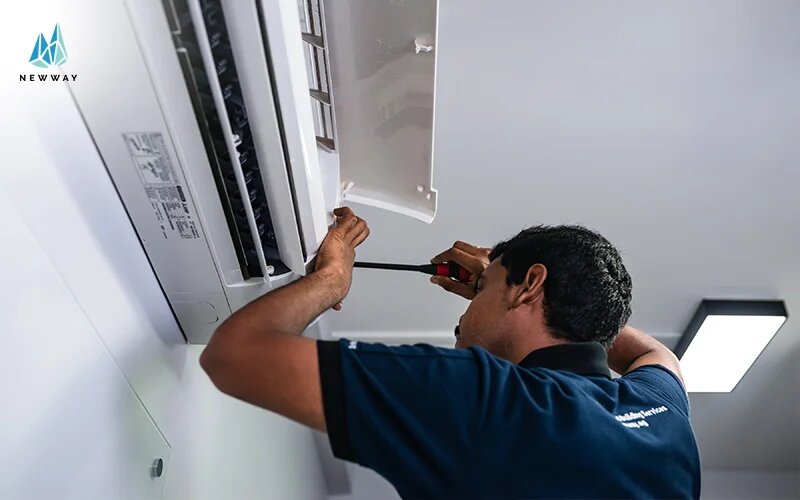
What Are the Key Tips for Aircon Installation in Landed Properties?
Planning a landed property aircon installation involves more than choosing a cooling unit. Landed homes in Singapore present unique considerations, from room distribution and system load to regulatory requirements and long-term operating costs. A well-planned installation ensures effective cooling, regulatory compliance, and sustainable performance in the long run.
This guide outlines key considerations for installing an air conditioner in landed properties. A structured approach helps manage varying layouts, avoid costly changes, and promote comfort across all living spaces.
Every landed home has distinct cooling needs. The size of each room, ceiling height, orientation to sunlight, and daily occupancy all influence the required system capacity.
Larger rooms and shared spaces generally require higher cooling output, while bedrooms may need quieter and more targeted solutions. Homes with high ceilings or large windows typically experience higher heat gain, which affects system sizing and performance.
Assessing these factors early helps determine whether aircon installation for landed houses should prioritise zoned cooling, higher efficiency systems, or expanded capacity to support long-term comfort.
Choosing the right air conditioning system for a landed house depends on both layout and lifestyle. Homeowners often compare individual units against integrated systems that serve multiple rooms. Split systems are suitable for selective cooling, while integrated solutions offer consistency across larger areas.
For homes with multiple floors or extensive living spaces, evaluating multi-split vs VRF for landed homes becomes essential. A multi-split system connects several indoor units to a single outdoor unit, allowing individual room control while keeping the installation relatively compact.
On the other hand, a Variable Refrigerant Flow (VRF) system is designed to regulate refrigerant flow across many indoor units simultaneously. This makes it suitable for larger properties with varying cooling demands throughout the day.
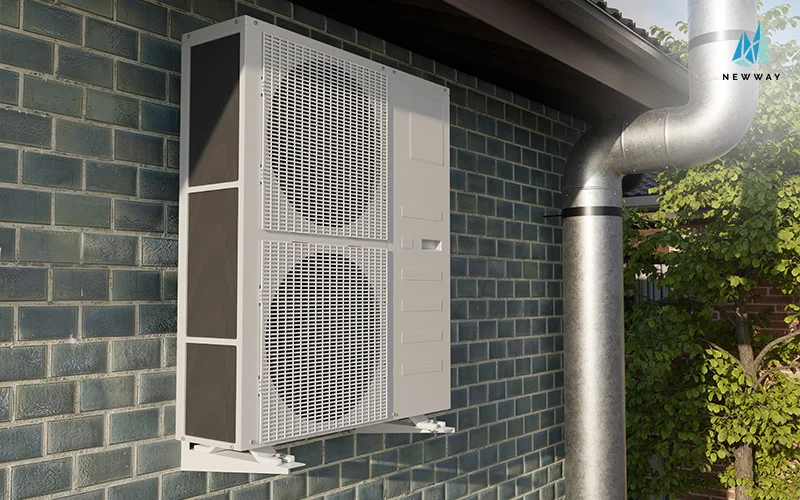
The best air conditioning system for landed properties is not defined by technology alone. It is determined by how well the system supports daily usage patterns. An ideal air conditioner should allow for practical maintenance access and accommodate future expansion, such as additional rooms or changes in how spaces are used. A system that aligns with these considerations is more likely to remain efficient, reliable, and cost-effective over the long term.
A commonly overlooked aspect of landed installations is piping design. Homeowners often focus on unit selection and cooling capacity, assuming piping is a standard component. In fact, its layout and length directly influence refrigerant flow, pressure balance, and condensate drainage.
This highlights the importance of well-executed landed property aircon piping work. Thoughtful piping design supports stable cooling performance by reducing the risk of operational issues. When pipe lengths, gradients, and insulation are planned correctly, the system operates within its intended parameters. This minimises strain on components and the risk of leaks, inefficiencies, or recurring faults over time.
Landed homes must comply with local installation standards, including noise control, safety requirements, approved mounting practices, and energy efficiency guidelines. Installations should also follow regulations set by the Building and Construction Authority. These guidelines are designed to preserve building appearance, promote adequate ventilation, and maintain safe access.
To ensure these requirements are met correctly, working with an experienced aircon contractor is essential. A capable contractor understands regulatory constraints, site conditions, and safe installation practices, helping to avoid non-compliance, unnecessary rectification work, and access issues during future servicing.
The total investment for the landed property aircon installation extends beyond the unit price. Landed home aircon cost factors may include system capacity, number of indoor units, piping length, electrical upgrades, and long-term servicing requirements.
System capacity is determined by room size, ceiling height, heat gain, and usage patterns. Larger spaces or homes with multiple floors require higher-capacity systems, which increases equipment cost and may require more powerful outdoor units.
The number of indoor units directly affects material and installation costs. More rooms or zoned cooling needs require additional indoor units, control components, and longer installation time.
Larger or architecturally complex homes often require more time, coordination, and specialised equipment during installation. This can affect labour costs and the overall installation timeline.
Landed properties require careful coordination between system design, installation sequencing, and ongoing support. Professional planning also accounts for maintenance access, system balancing, and future scalability, reducing operational issues after handover. Therefore, choose a trusted provider for aircon installation in Singapore to ensure safe installation and long-term performance.
With over three decades of experience, Newway has supported residential and commercial customers since 1987. Our air conditioning installation service, general servicing, and troubleshooting are guided by a deep understanding of each property’s needs. We are committed to delivering solutions that are integrated, scalable, and practical for long-term use.
Contact us to schedule an appointment.
Share This: