SERVICING BRANDS
Blog
Share This:

How to Test Indoor Air Quality in Your Home
How to Improve Indoor Air Quality
Before investing in tools or services, your home may already be showing signs of compromised indoor air quality. Recognising these early indicators can help you decide when and how to test indoor air quality for a more targeted and effective response.
Common warning signs include:
1. Musty Smells: A persistent musty or stale odour could be a sign of hidden mould growth or moisture accumulation, both of which can worsen indoor air quality over time.
2. Sneezing or Coughing at Home: If allergy-like symptoms, such as sneezing, coughing, itchy eyes, or nasal congestion, occur more frequently at home than elsewhere, pollutants or allergens in the air may be to blame.
3. Condensation or Mould Growth: Water droplets on windows, walls, or ceilings, as well as visible patches of mould, often point to poor ventilation and excess indoor humidity. These conditions typically enable harmful microorganisms to thrive.
4. Oily Dust Around Vents: Thick, sticky dust near air vents or on appliances may indicate poor filtration, high levels of airborne particles, or issues with your HVAC system.
Investing in an indoor air quality monitoring device is one of the most effective ways to assess your home’s air quality. These digital monitors detect pollutants such as PM2.5 (fine dust), VOCs, humidity levels, and CO2 in real time. By regularly tracking these readings, you are able to identify potential air quality concerns and take necessary actions to improve ventilation and reduce indoor pollutants.
Thriving in damp environments, mould and mildew can significantly impact indoor air quality. Signs of mould growth include musty odours, visible dark spots on walls or ceilings, and condensation buildup. Exposure to these fungi potentially leads to respiratory issues, allergies, and skin irritation. Individuals with asthma or weakened immune systems should pay closer attention as they may experience more severe reactions, including breathing difficulties and chronic inflammation.
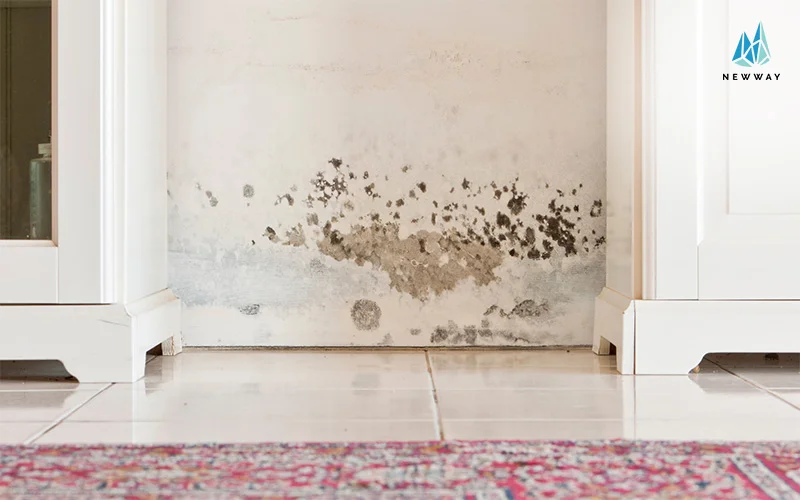
Fortunately, mould and allergen testing is here to help detect hidden mould spores that are often not immediately visible. If mould is present, addressing the source of excess moisture and improving ventilation will prevent further growth.
Suffering from unexplained allergies or respiratory discomfort? This could indicate poor IAQ. Frequent sneezing, coughing, headaches, or eye irritation may be triggered by air or chemical pollutants. Airborne pollutant detection can provide insight into possible airborne pollutant exposure. Learn how to test your indoor air quality through symptom tracking, air monitoring, and professional inspections to discover the exact pollutants affecting your home. If symptoms persist, seek IAQ testing services to ensure a more detailed assessment of indoor pollutants.
Proper airflow is essential for reducing indoor air contaminants. Poor ventilation tends to trap pollutants, resulting in stale air and an increase in allergens. To improve home ventilation, open windows regularly to allow fresh air circulation. Besides, ensure that HVAC systems and exhaust fans are functioning efficiently. An indoor air quality inspection can help identify ventilation issues that are likely to affect your home’s air quality.
Under Singapore Standard SS554, key air quality parameters include gases, such as:
To assess these pollutants, homeowners can use portable IAQ monitors or engage professional indoor air quality testing services. By understanding how to test indoor air quality, homeowners can help detect harmful concentrations and pollution sources. They may also guide corrective actions like improving ventilation or installing air purifiers to ensure compliance with recommended IAQ levels and promote better health.
When conducting an indoor air test in Singapore, it helps to understand what your results actually indicate. The table below outlines the typical air quality levels across key parameters commonly monitored in homes. These thresholds can help you assess whether your indoor environment is healthy or in need of improvement.
| Parameter | Good | Moderate | Poor |
|---|---|---|---|
| PM2.5 | <12 | 12–35 | >35 |
| VOCs | <300 | 300–600 | >600 |
| CO₂ | <1,000 ppm | 1,000–1,500 | >1,500 |