

Yes, aircon leaking water can be serious if left unresolved. Persistent leaks may result in costly repairs and property damage.
SERVICING BRANDS
Blog
Share This:
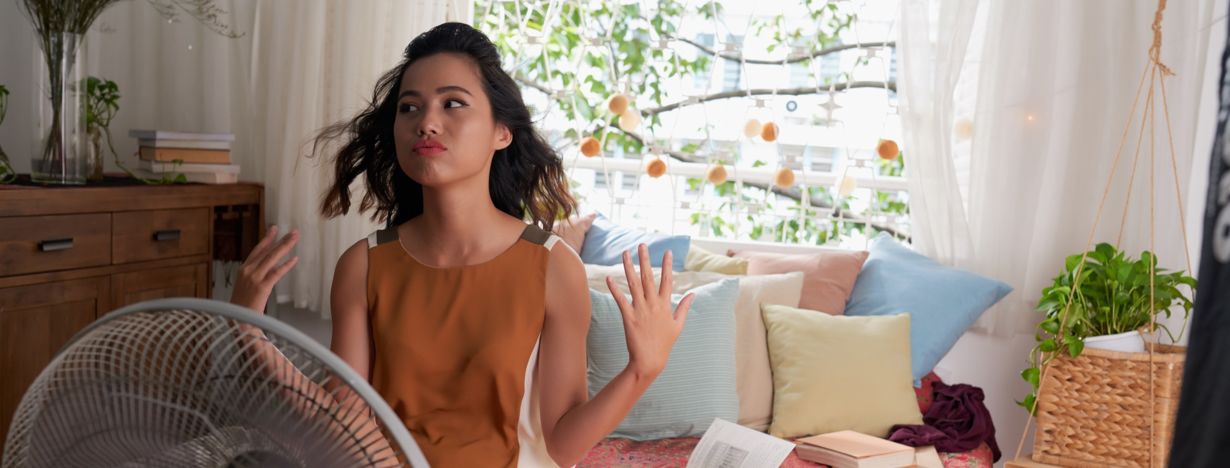
To help understand the underlying reasons for aircon leaking water, let us think about why we sweat a lot in Singapore? The answer is simple – our hot and humid weather! The tropical heat makes us perspire as a natural response to cool down our bodies. We feel much hotter in Singapore because the high humidity makes our sweat evaporate slower and impedes our body’s natural cooling process. So why do we feel cool and dry in an air conditioned environment? Because our air conditioners remove heat and water vapour from the surrounding through heat exchange and de-humidification. Eureka! This is where the water that leaks from your air conditioners comes from – Water vapour from the air! Truth is, all aircons can leak water, even popular brands like Daikin and Mitsubishi aircons. There are a few explanations why your aircon leaks water and we will share 3 common reasons here.
Problem:
If your aircon has been leaking water, a clogged or disconnected drainpipe might be the culprit. Over time, dirt, mould, and algae can accumulate in the drainage line, creating blockages that prevent condensate water from flowing out. In some cases, the pipe may become loose or disconnected, causing water to overflow indoors.
Solution:
Regular servicing can clear out blockages and check for any loose connections. Technicians will flush the drainpipe and ensure proper routing to prevent AC water overflow or water pooling.
Problem:
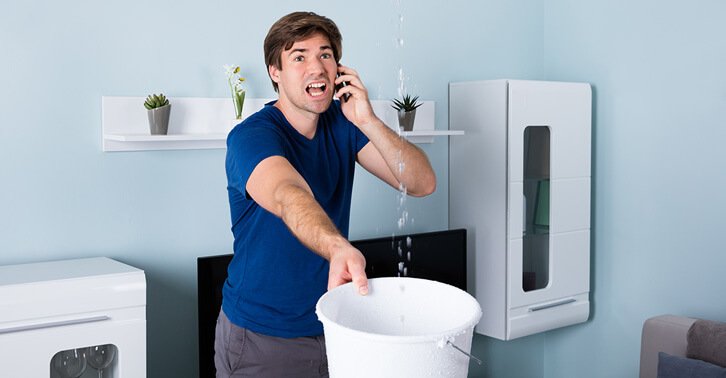
When your aircon filter is dirty, airflow is restricted, which can cause the evaporator coil to freeze. When the ice eventually melts, excess water can spill over the drain pan, leading to noticeable leaks.
Solution:
Clean or replace your air filters every 1–3 months, depending on usage. This keeps airflow steady, prevents the evaporator coil from icing, and ensures water drains normally.

Problem:
Low refrigerant can cause the evaporator coil to become excessively cold, leading to ice formation. When the coil defrosts, it may release a sudden surge of water that overwhelms the drain system, resulting in your aircon leaking water indoors.
Solution:
Have a technician check for an aircon refrigerant leak and top up the system if needed. Addressing refrigerant issues early not only prevents water leaks but also improves cooling efficiency.
Problem:
The drain pan collects condensation from the aircon, but in older systems or units with poor maintenance, it can become rusted, cracked, or corroded. This allows water to drip through instead of being channelled into the drainage pipe.
Solution:
Replace damaged drain pans promptly. A technician can inspect the condition of your unit and recommend long-lasting replacements to prevent further leakage.
Problem:
If your aircon is not installed with the correct gradient, water may flow backwards instead of towards the drainpipe. This is especially common with wall-mounted units or ceiling cassette systems that are tilted incorrectly, leading to leaks from the back or sides.
Solution:
Ensure your aircon is installed by experienced professionals who check for proper tilt and drainage. Reinstalling or adjusting the unit may be necessary to restore correct water flow.
Problem:
In areas with poor airflow—such as tightly shut bedrooms or storerooms—moisture doesn’t evaporate quickly, leading to condensation buildup. This can cause your aircon to start leaking water at night, especially when humidity levels spike.
Solution:
Improve ventilation in enclosed rooms and consider using a dehumidifier. Also, keep doors slightly open or use a fan to encourage air movement. Regular aircon servicing can help manage humidity and maintain optimal performance.
Turn off the unit to prevent further water damage and inspect where the leak is coming from. Is it dripping from the air vents, the outer casing, or along the piping? Pinpointing the source helps narrow down the possible cause of your aircon leaking water.
Remove the front panel and inspect the air filter. If it looks dusty or clogged, give it a thorough rinse and allow it to dry completely before reinstalling. A dirty filter can restrict airflow and lead to coil freezing and excess condensation.
Look for signs of clogs or disconnection in the drainage pipe. You can try flushing it with warm water or using a vacuum to clear visible blockages. A blocked drainpipe is a common reason for your aircon leaking water.
Open the cover and carefully inspect the evaporator coil for signs of frost or ice buildup. Frozen coils can indicate low refrigerant or poor airflow, both of which lead to leaks once the ice melts.
If you’ve tried the above steps and your aircon is still leaking, it’s time to call for professional aircon servicing. Persistent leaks may point to deeper issues like refrigerant loss, damaged components, or improper installation.
While a small puddle near your aircon might seem harmless, delaying repairs can lead to costly and even hazardous consequences. Here are the potential dangers of leaving an aircon water leakage problem unaddressed:
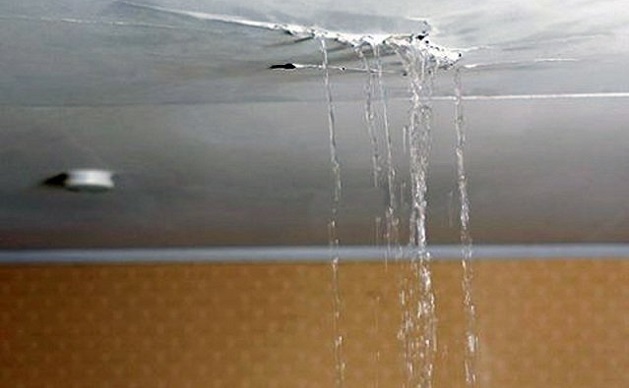
Water leaking from ceiling cassette aircon units can seep into walls and ceilings, weakening plaster, discolouring paint, and causing structural damage. Over time, this may lead to sagging ceilings or peeling wall finishes, especially in false ceiling setups.
Water and electricity are a dangerous mix. If leakage reaches internal components or nearby electrical outlets, it can trigger short circuits or even electrical fires. This is particularly risky in homes where the aircon unit is installed close to appliances or sockets.
Persistent dampness around an aircon leaking water creates the perfect environment for mould and fungal growth. This not only damages surrounding surfaces but can also affect indoor air quality, triggering allergies, asthma, or other respiratory problems.
Aircon leaking water can cause significant damage to your property, leading to mould growth and structural issues. Fixing leaks promptly helps prevent water damage and protects the integrity of your property
Leaks often indicate underlying issues that can reduce your air conditioner’s efficiency. Prompt rectification of leaks improves cooling performance by reducing energy consumption.
Small problems, if left unaddressed, can escalate into more significant issues that may require expensive repairs or complete system replacements. Timely aircon repairs prevent these from occurring, contributing to the longevity of your air conditioning system.
1. Change or clean the air filter every 1-3 months, depending on usage and filter type, to keep airflow unobstructed. 2. Clean the evaporator and condenser coils annually to remove dirt and debris for efficient heat exchange in the system. 3. Check refrigerant levels periodically and have them adjusted by a professional if needed. 4. Install your air conditioning unit properly to ensure proper drainage. 5. Schedule professional maintenance to identify and address potential issues before they escalate into major problems.
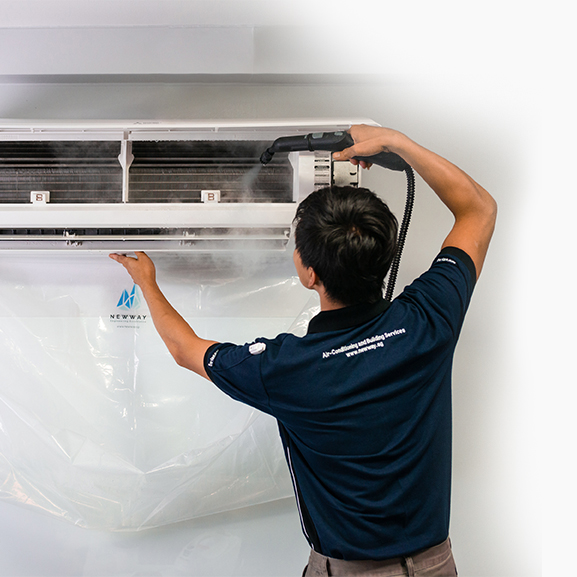
With more than 30 years of extensive experience, Newway is one of the most reputable air conditioning specialists in Singapore. They are dedicated to providing customers with high quality and cost-effective solutions, over a wide range of integrated aircon services. Backed by a strong portfolio, Newway is widely regarded as the best aircon company in Singapore with numerous accolades. They are BCA and NEA registered aircon contractors, and are also proudly featured on MediaCorp, The Smart Local, The Royal Singapore, Titan Homes and many more! Popular Aircon Brands – Daikin Mitsubishi Electric Mitsubishi Heavy Industries LG Panasonic Midea Toshiba Hitachi Fujitsu
Call a professional if you are unsure of the cause or solution. Experts can help inspect the root cause and address it accordingly. It’s also necessary to seek professional assistance if property damage or water accumulation is evident.
Yes, aircon leaking water can sometimes indicate a refrigerant issue. Low refrigerant levels can cause the evaporator coils to freeze, which leads to excess water when the ice melts.
First turn off the unit to prevent further damage and avoid potential electrical hazards. Next, inspect for visible issues that may be causing the leakage. If there are malfunctioning condensate pumps, frozen evaporator coils, or other issues, contact a professional technician for rectification.
Yes. If the air conditioner is not operating efficiently due to leaks, it may need to work harder to maintain the desired temperature, leading to increased energy consumption.
Yes, aircon leaking water can be serious if left unresolved. Persistent leaks may result in costly repairs and property damage.
Share This: