SERVICING BRANDS
Blog
Share This:
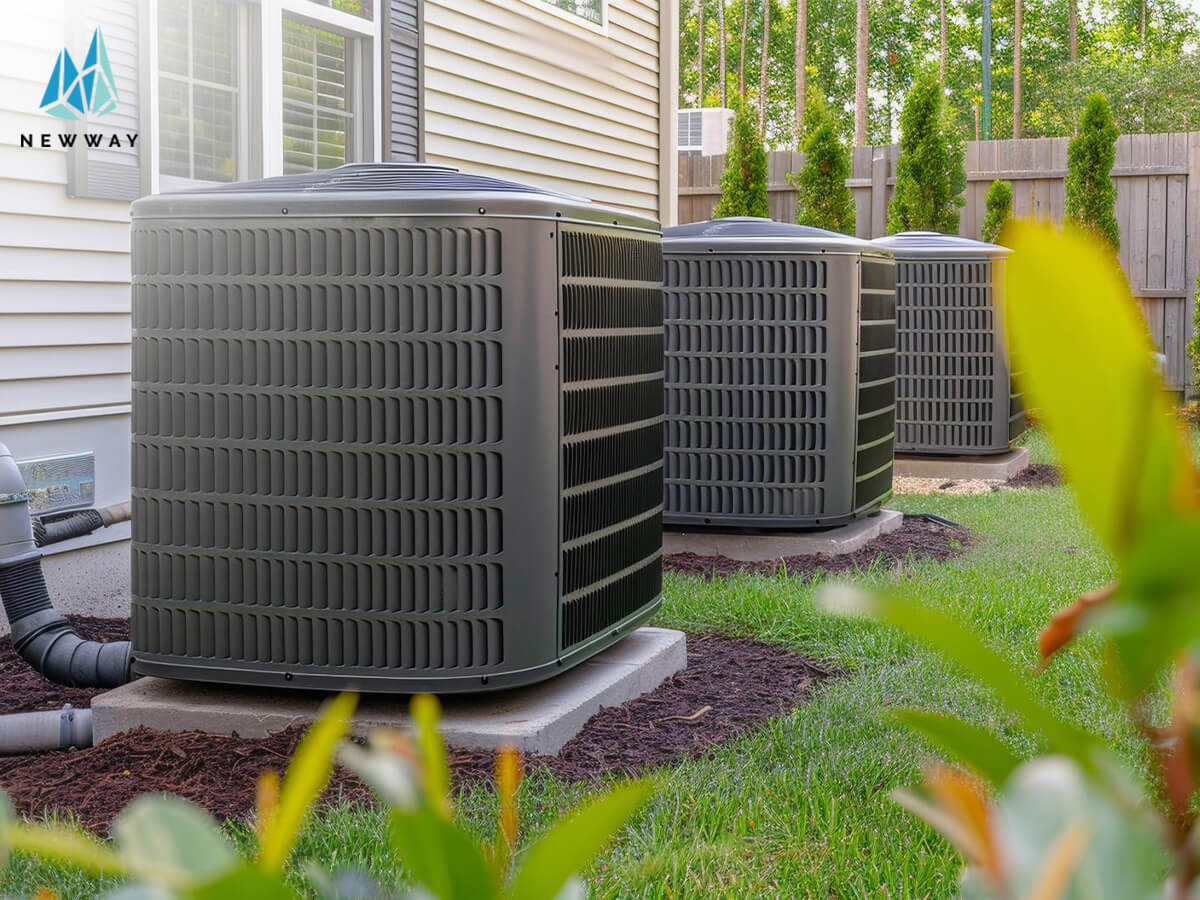
In Singapore’s dense urban landscape, large buildings such as shopping malls, office towers, and industrial facilities are operational for long hours. This creates a continuous demand for cooling across vast areas and multiple floors. Traditional air conditioning systems, like split units, struggle to handle such heavy loads efficiently. Here, a chilled water air conditioning system becomes a go-to solution. If you’ve ever wondered how this scalable and energy-efficient cooling system works, this guide breaks it down for better understanding.
A chilled water air conditioning system uses chilled water, usually maintained between 4°C and 7°C, to cool indoor air. It relies on a centralised setup to distribute cool air across large spaces, making it ideal for multi-storey buildings and complex layouts. This approach falls under centralised air conditioning, which consolidates cooling operations into a single location. This means that the system is opposed to installing multiple standalone units.
The chiller is an industrial machine that uses a refrigeration cycle to remove heat from water. The key component stores chilled water in a reservoir and keeps it at a consistently low temperature, ready to be pumped through the system.
From the chiller, the cold water travels through a network of insulated pipes. These pipes run throughout the building, connecting to various air handling units (AHUs) or fan coil units (FCUs) located in different zones.
Warm indoor air is drawn in and passed over coils filled with the chilled water. During the process, the water absorbs the heat from the air and then cools it. Once the cooled air is circulated back into the room, it creates a comfortable indoor environment.
After absorbing heat, the now warmer water returns to the chiller. There, it is cooled again and sent back through the system in a continuous loop. This closed-loop setup ensures consistent cooling throughout the entire building.
Compared to conventional systems, a chilled water cooling system is far more energy-efficient for large-scale applications. By centralising the cooling process, a chilled water air conditioning system reduces redundancy, saves energy, and simplifies overall maintenance. This makes it one of the most cost-effective commercial HVAC solutions in the long run.
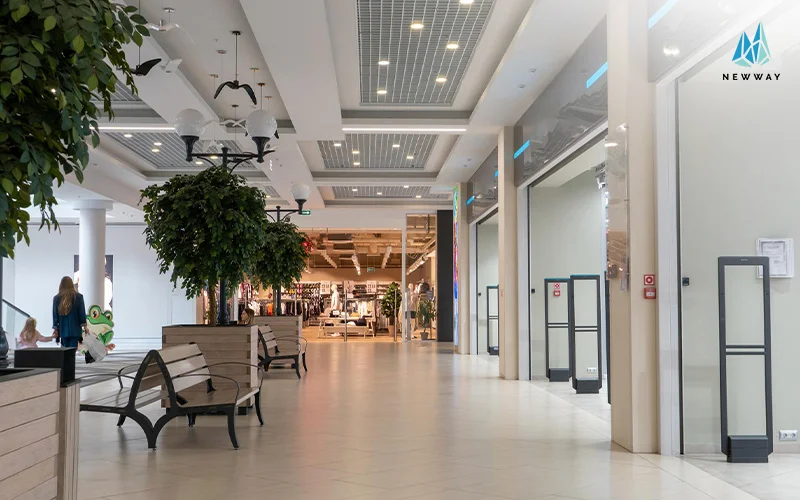
Singapore’s hot and humid climate makes cooling a daily necessity. For large properties, using multiple split units is neither practical nor cost-effective. A centralised air conditioning system like this provides uniform cooling and helps manage operational costs, by consuming less energy per square foot cooled.
It also supports better air management through zoning. This means different areas can be cooled at different intensities based on occupancy and function, promoting both comfort and efficiency.
The chilled water air conditioning system is a smart, scalable solution for cooling large commercial and industrial buildings. It offers precise climate control, long-term energy savings, and consistent performance. However, in complex systems like these, even minor issues can lead to major performance dips. That’s why consistent air conditioning services are crucial.
Need help maintaining or upgrading your chilled water air conditioning system? Reach out to Newway today for professional service you can count on. Our expert aircon cleaning and aircon maintenance services in Singapore can ensure your system can operate at peak performance—ready for Singapore’s ever-warm climate.
Contact us to schedule a service.
Share This: