SERVICING BRANDS
Blog
Share This:
When shopping for an air conditioner, you may have noticed the term BTU (British Thermal Unit) listed in the specifications. But what is the meaning of an aircon BTU, and why is it so important?
BTU helps you to define an air conditioner’s cooling capacity—how effectively it can regulate the temperature of a given space. Selecting the right BTU rating for your room size is essential to ensure optimal cooling performance, energy efficiency, and cost savings.
In this article, we’ll dive into the meaning of aircon BTU, why this unit matters, and how choosing the right BTU rating can enhance the overall cooling efficiency. Read on to ease your aircon shopping experience.
BTU (British Thermal Unit) is a measurement of energy that indicates how much heat is needed to raise the temperature of one pound of water by 1°F.
Selecting an air conditioning system with the right BTU rating ensures cooling efficiency, energy consumption, and overall comfort.
Each room requires a specific BTU capacity based on multiple factors. When calculating an aircon BTU, remember to consider the room size and condition.
British Thermal Unit (BTU) is a measurement of energy that indicates how much heat is needed to raise the temperature of one pound of water by 1°F. While often associated with heating systems, BTUs are just as important in air conditioning because they determine an HVAC system’s cooling capacity.
In air conditioning, aircon BTU meaning refers to the amount of heat an AC unit can remove from a room per hour. This heat removal process directly impacts how efficiently an air conditioner cools a space, affecting both comfort and energy consumption.
After diving into the aircon BTU meaning, we will now take a closer look at how this unit relates to air conditioning efficiency. An air conditioner functions by absorbing indoor heat and expelling it outside. The aircon BTU rating guide tells you how much heat the unit can remove within an hour, helping you gauge its cooling power.

An overpowered AC unit may cool a room too quickly without properly dehumidifying the air, leading to an uncomfortable and overly dry environment.
If an AC unit is underpowered, it will struggle to maintain a comfortable temperature, forcing it to work harder and consume more energy. This not only increases electricity costs but also shortens the lifespan of the unit.
If you think choosing an air conditioner is just about picking a model, you may want to reconsider. The truth is, the aircon BTU meaning goes beyond just a number on the label. So, select an air conditioning system with the right BTU rating to ensure cooling efficiency, energy consumption, and overall comfort.
The primary goal of purchasing an air conditioner is to create a comfortable and energy-efficient environment. To achieve this, avoid choosing a unit that is either too powerful or too weak for your room size. Instead, carefully evaluate the BTU rating to ensure:
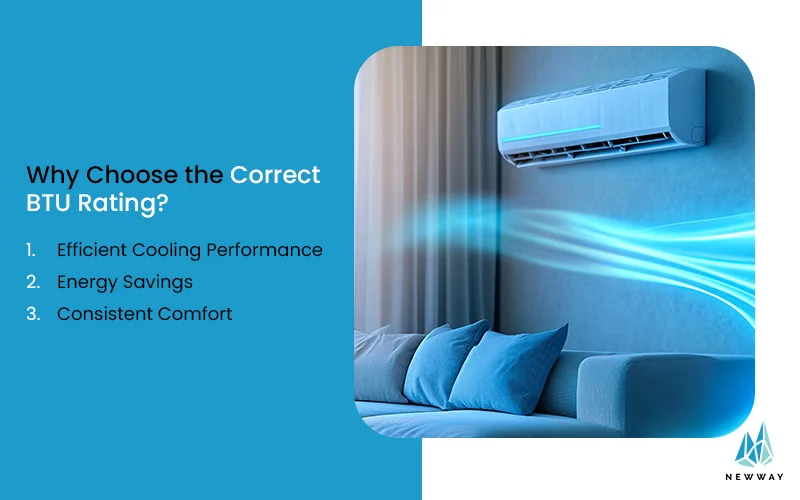
A properly sized AC unit effectively cools the space without overworking. If an air conditioner has too few BTUs, it will struggle to lower the room temperature, running continuously and wearing out faster.
On the other hand, an overpowered unit with excessive BTUs may cycle on and off too frequently, preventing proper dehumidification and reducing overall efficiency. Understanding the aircon BTU’s meaning and principle can help you choose a correctly sized unit for balanced cooling.
An air conditioner with the right BTU rating operates at peak efficiency, using just the right amount of energy to maintain the desired temperature. If the unit is too small, it will consume more electricity as it works harder to cool the space. Conversely, a unit with too high a BTU rating will waste energy by cooling the room too quickly and shutting off before completing a full cycle.
A well-matched BTU rating ensures that your AC cools the air at a steady pace, maintaining an ideal temperature and humidity level. An underpowered unit may leave certain areas of the room warm, while an overpowered one might create a cold, damp environment due to inadequate dehumidification. The right BTU rating promotes even cooling, balanced humidity control, and a consistently pleasant indoor atmosphere.

Contrary to common belief, air conditioners and heat pumps do not generate cold air. Instead, they work by removing heat from indoor air and transferring it outside through refrigerants, fans, and coils. The aircon BTU meaning reflects how much heat an AC unit can absorb and expel per hour, determining its cooling power.
For example, a 12,000 BTU air conditioner can remove 12,000 BTUs of heat per hour, effectively cooling the indoor environment. Getting the BTU rating right for your aircon is key to even cooling, balanced humidity, and a consistently comfortable atmosphere in Singapore. With a better understanding of the aircon BTU meaning, you can easily choose a well-suited unit that guarantees optimal comfort and energy efficiency.
An air conditioner that is too weak will struggle to cool the space, while an overpowered unit will result in inefficiency and discomfort. To find the perfect balance, assess the aircon BTU meaning and consider these key factors when determining the correct BTU capacity for your space.
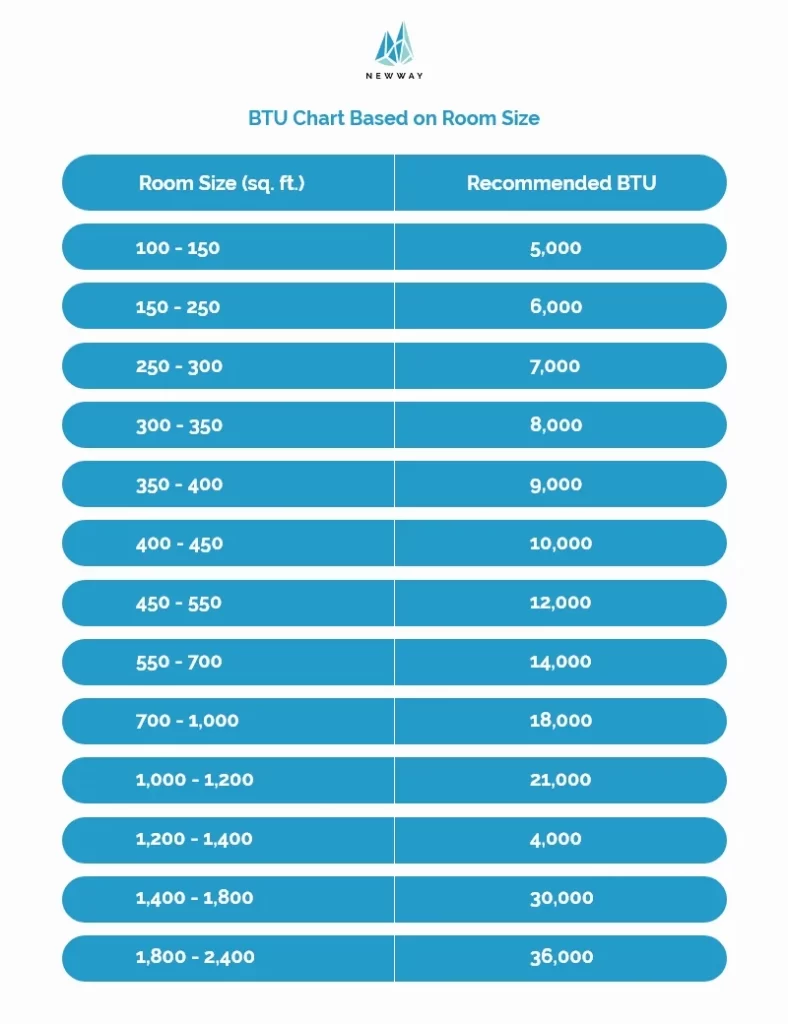
The most important factor in selecting the right BTU rating is the size of your room. Use this room size calculation to estimate the required cooling power:
Example Calculation:
A 1,400 sq. ft. home would need an air conditioner with 28,000 BTU (1,400 × 20 = 28,000 BTU).

While the general BTU formula provides a good starting point, several additional factors can influence cooling requirements:
Standard calculations assume an 8-foot ceiling. If your ceilings are higher, you’ll need more BTUs to cool the extra volume of air.
Rooms exposed to direct sunlight, particularly those facing south or west, may require 10-20% more BTUs to maintain a comfortable temperature. This is because the additional heat from the sun increases the cooling demand.

In contrast, heavily shaded rooms may need 10-20% fewer BTUs as they naturally stay cooler. A deep understanding of the aircon BTU meaning allows you to adjust the cooling capacity based on these factors.
Large or single-pane windows allow more heat in, thereby increasing cooling demands. Meanwhile, energy-efficient or double-pane windows reduce BTU needs as they can help to retain cool air. Likewise, well-insulated rooms stay cool longer, while poorly insulated spaces require a higher BTU rating to compensate for heat gain.
People and appliances generate heat, affecting the cooling load. Add 500-600 BTUs per extra occupant and 4,000 BTUs if the room contains heat-producing appliances like ovens, refrigerators, or dryers.
Knowing the meaning of aircon BTU empowers you to make a worthwhile investment. By considering factors, such as room size, ceiling height, sunlight exposure, insulation, and the number of occupants, you can confidently choose an air conditioner that delivers optimal performance and value.
For whole-home cooling, tonnage is another way to measure air conditioning capacity:
Choosing the right BTU rating for your air conditioner is crucial for ensuring optimal cooling, energy efficiency, and comfort. To make the best decision before aircon installation, factor in some key aspects that may influence the cooling capacity.
For the perfect aircon BTU rating, keep these final tips in mind:
Now that we’ve deciphered the aircon BTU meaning and identified the factors to consider, it’s time to address some common myths about aircon BTU ratings. Understanding the truth behind these misconceptions will help you make better decisions when selecting your air conditioner. Let’s clear up some of the most widespread myths!
This is a myth! Many people assume that a higher aircon BTU automatically means better cooling. The truth is that an overpowered air conditioner with too high a BTU rating may cool the room too quickly, resulting in poor humidity control and temperature fluctuations. This can lead to an uncomfortable, overly dry environment, and unnecessarily high energy consumption. The correct aircon BTU meaning is all about matching the BTU to the size of your room for optimal cooling performance. A properly sized unit ensures efficient, consistent cooling without energy waste.
First of all, it’s important to understand the trade-offs. While a lower BTU unit may seem like it uses less energy, it will struggle to cool the room efficiently. This means the air conditioner will need to run for a longer period, putting in more effort to reach the desired temperature. As a result, this extended operation increases energy consumption. The key to energy savings lies in comprehending the aircon BTU meaning and selecting the correct aircon BTU rating. A properly sized unit will cool effectively without overworking, reducing energy costs in the long run.

Although general aircon BTU charts can be a helpful initial reference, they may still fail to account for every unique aspect affecting a room’s cooling demands. So, it is recommended to customise your BTU selection based on different factors:
Rooms with higher ceilings require more BTU to cool the extra air volume, meaning the aircon BTU rating needs to be adjusted.
More windows or poor insulation can increase heat gain, necessitating a higher BTU rating for effective cooling.
Kitchens, rooms with large windows, or areas with multiple occupants generate more heat, increasing the aircon BTU needed for efficient cooling. To guarantee your air conditioner is correctly sized and installed for peak efficiency, it’s wise to consider a professional AC installation service.
The climate and geographical location of your home also play a part in determining the aircon BTU rating needed for optimal cooling. Warmer climates, particularly those with high humidity or extreme heat, require air conditioners with higher BTU ratings to effectively combat the heat.
Additionally, factors like local humidity levels can further impact cooling efficiency. High humidity makes the air feel warmer, as it affects your body’s ability to cool itself through perspiration. In such climates, a higher BTU rating should be in place to ensure the air conditioner can cool the space effectively.
Take the time to understand the real meaning of aircon BTU and assess these elements to select the perfect BTU rating for your air conditioner. This will allow you to enjoy greater comfort and significant energy savings in your Singapore home or office.
An aircon BTU that is too low for your room size means:
An oversized aircon cools the room too quickly without properly removing humidity, leading to:
Not necessarily. While higher BTU units use more power, choosing the correct BTU for your room is actually more energy-efficient than using an underpowered unit that runs continuously. Inverter air conditioners adjust cooling capacity based on need, helping to optimise energy use.
Understanding the aircon BTU meaning is essential when selecting an air conditioner. This unit plays a part in directly influencing the cooling efficiency, energy usage, and overall comfort of your space. The correct BTU rating determines your air conditioner’s ability to cool your room without overworking or consuming excessive energy, providing consistent temperature control and effective humidity management.
Ensure you make the right aircon choice by consulting the professionals at Newway. As a trusted provider of comprehensive cooling solutions since 1987 in Singapore, we offer expert HVAC troubleshooting and air conditioning services to keep your home or business air conditioning unit running smoothly. Ready to optimise your cooling? Let us guide you in comprehending the aircon BTU’s meaning and principle.
Contact us to enjoy a cooler, more comfortable space without unnecessary energy expenses.
Share This: